





Stay up to date on upcoming events, deadlines, news, and more by signing up for our newsletters!
Picture this: You spend a million dollars on an ad campaign only to realize it doesn’t work… yikes.
But what if your customer’s long-lost twin was there to warn you?
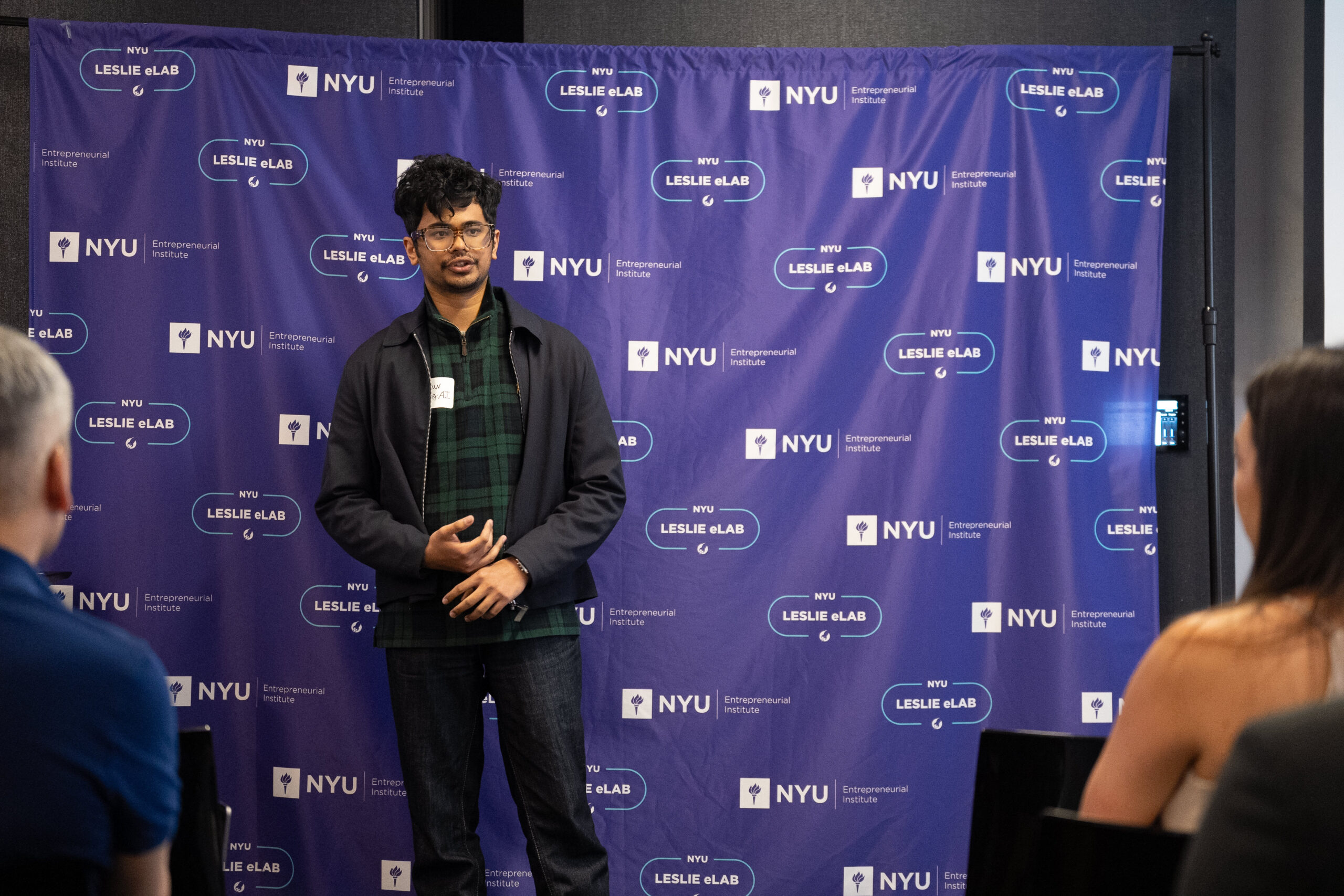
Meet Twinning AI. Co-founded by Sai Dhruv (SPS ‘26), the marketing simulation platform helps brands know what will convert before they spend a single dollar.
“About 99% of the market focuses on post-optimization,” said co-founder and CTO Ankit Das, a former Microsoft AI software engineer. “We mitigate the risk by knowing what’s going to work before you launch.”
The platform ingests first-party customer data from sources such as CRMs, surveys and call transcripts to create a unified 360° customer view. It then transforms that data into “digital twins”: AI personas that can be segmented to match a company’s needs, anything from new moms in New York to Gen Z gamers in Texas.
Unlike static customer profiles, these twins can hold conversations with CMOs and marketing teams via voice or text. This enables them to anticipate real-world reactions and adjust their messaging instantly — a game-changing advantage for consumer packaged goods (CPG) companies managing large marketing budgets.
Privacy is a frequent concern for potential clients. To address it, Twinning AI avoids ingesting personally identifiable information such as names, email addresses and phone numbers.
“We don’t need to know who they are, just how they behave,” Das said.
The team has already broken into the notoriously difficult enterprise sales cycle and is now in talks with multiple Fortune 50 enterprises.
“It’s very hard and very rare to get in at early stages,” Dhruv said. “Our ability to engage with top-level executives, such as CMOs and the C-suite, shows that we’re addressing a critical pain point in the industry.”
It’s a long way from where Dhruv began — behind the counter of his family’s textile shop in India. He watched his father record details about each customer in a worn notebook: not just what they bought, but what they said, what they liked, even where they liked to eat. When customers returned, his father would pull out a detail from memory and weave it into conversation as if no time had passed. That personal understanding kept people coming back.
Only later did Dhruv realize that his father had been running what he jokingly called “the first analog customer intelligence platform.”
“When I got into AI,” Dhruv said with a grin, “I built something way cooler than his notebook.”


