





Stay up to date on upcoming events, deadlines, news, and more by signing up for our newsletters!
Growing up in a first-generation, low-income household, Dario Anaya was always known more for mischief than good grades. One day, he decided to take it straight to his high school dean’s office and pitch himself for another chance. To his surprise, the dean agreed to personally mentor him and helped him find a roadmap to college.
Years later, Anaya met José Antonio Tijerino, CEO of the Hispanic Heritage Foundation, who gave him another piece of advice that brought his journey to full circle: “If you can’t pass the torch to someone else when you’re in a better spot, then you don’t deserve to hold it in the first place.”
This remains the philosophy behind his edtech startup, Pupil, founded to guide high school students — especially first-gen, low-income and underrepresented teens — through the ups and downs of college application season.
“I was considered a failure,” Anaya said. “I built Pupil so other underestimated students could discover their untapped potential earlier and greater than I did.”
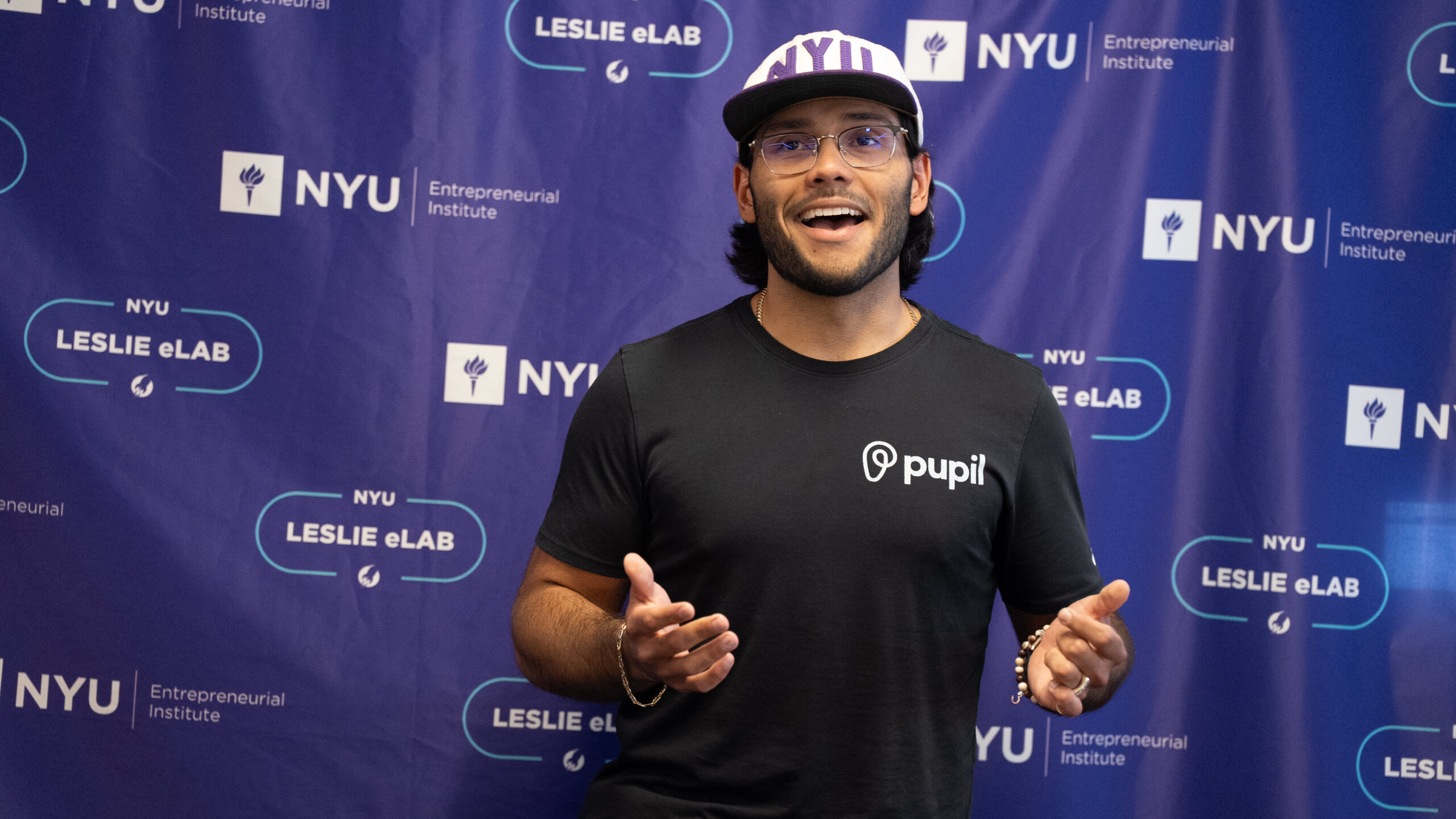
Pupil’s web and mobile platform steps in when teens struggle with understaffed school counselors and limited personal resources, connecting them with undergraduate mentors based on four tabs: school, major, career interests, and identity. Once matched, the pairs meet over video once or twice a month, guided by built-in tools such as icebreaker prompts, goal-setting templates, session trackers and progress dashboards.
Anaya still remembers Pupil’s first mentee, Monica, a first-gen, low-income student who had never heard of programs like Matriculate or QuestBridge. He recalls how his platform gave her a tailored high school-to-college playbook, and the smile on her face as she earned admission to her dream school, the University of Pennsylvania.
Today, Pupil remains free for students like her who are eligible for free or reduced-price lunch, SNAP or Common App fee waivers.
“I stick to my ethics,” Anaya said. “I will never charge a low-income, first-gen student because they’re incredibly valuable.”
NYU’s Leslie eLab is an important step in Pupil’s winding journey. In high school, Anaya cold-emailed entrepreneurship programs nationwide. Only NYU responded, which ultimately led him to Gallatin School of Individualized Studies, where he’s currently pursuing a degree in economics, technology, and philosophy on a full scholarship.
Now, he is an avid participant in the Summer Launchpad accelerator, the third step in the institute’s startup series. Over the years, Pupil has grown to more than 560 mentors from over 105 universities, everywhere from Harvard to Howard. The company is exploring partnerships with the New York State Education Department to make the program available statewide, with support from NYU research.
Amid all the people who believed in him, countless messages in his inbox told him to give up and focus on school.
“We’ve had doors opened and plenty slammed in our face,” Anaya said, quoting one of his favorite Steve Jobs lines, “Some years you win, and some years you build character.”


